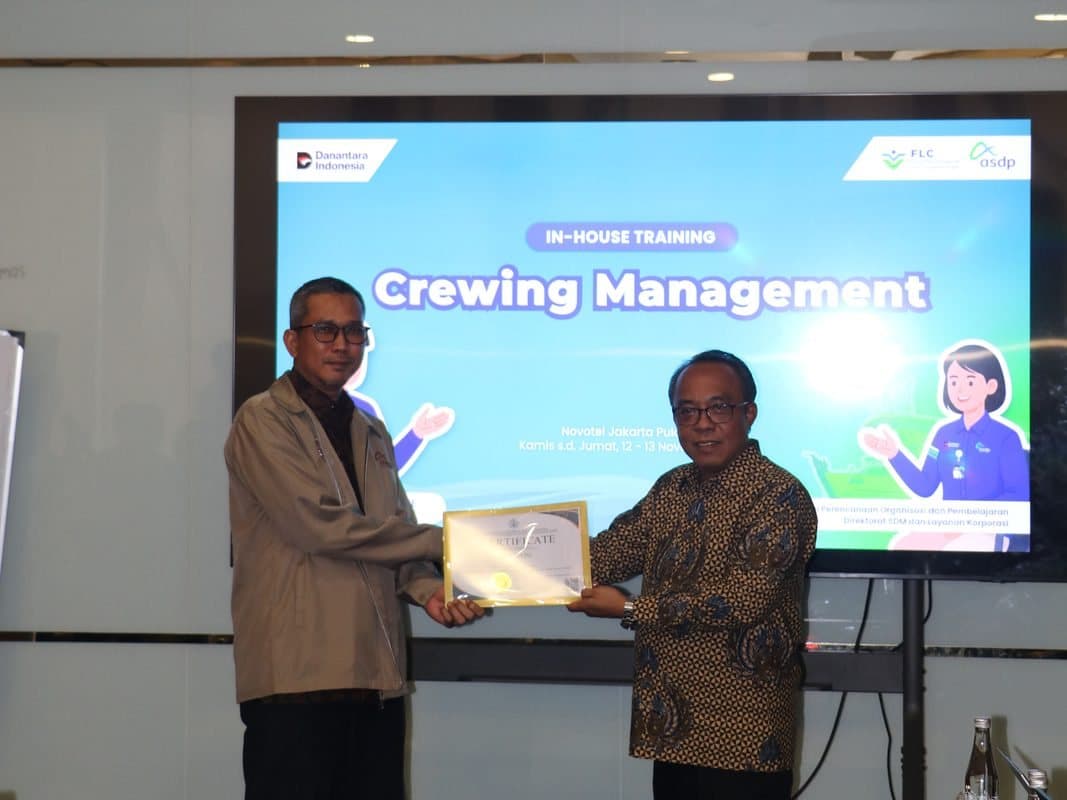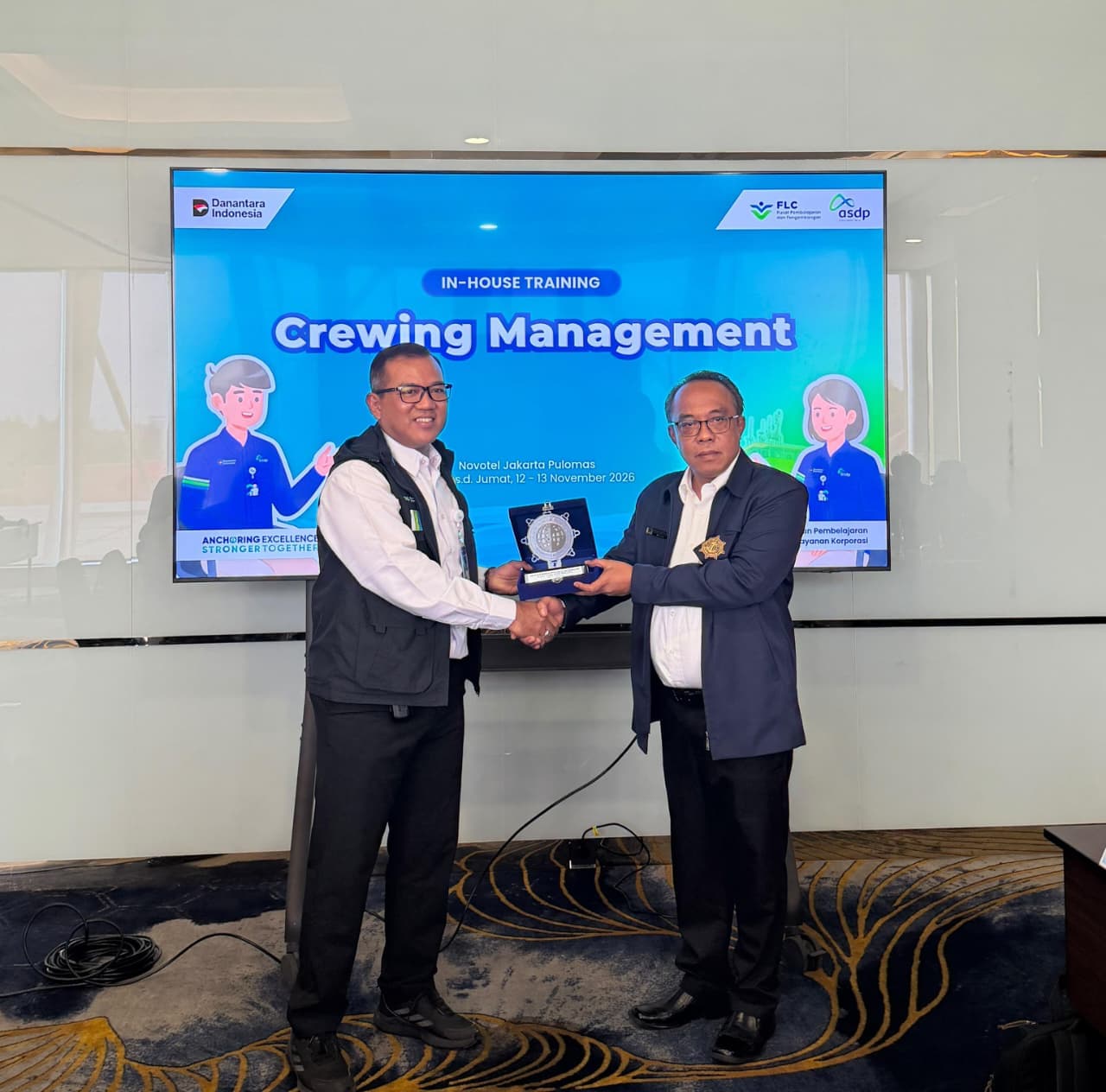
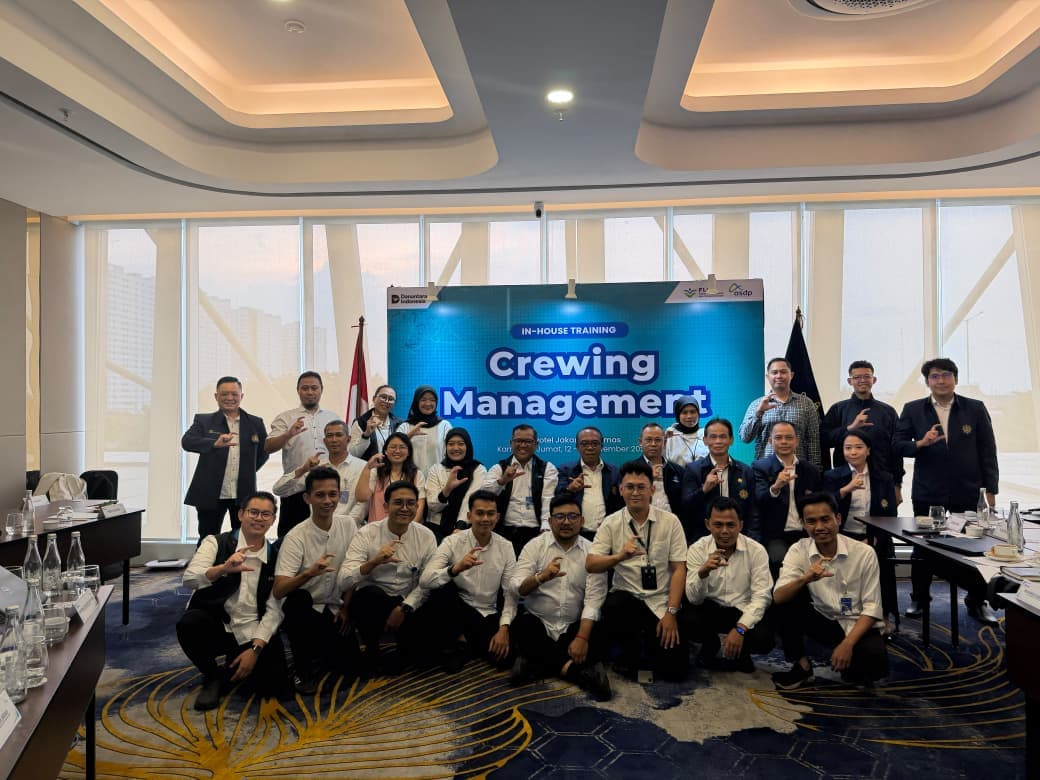
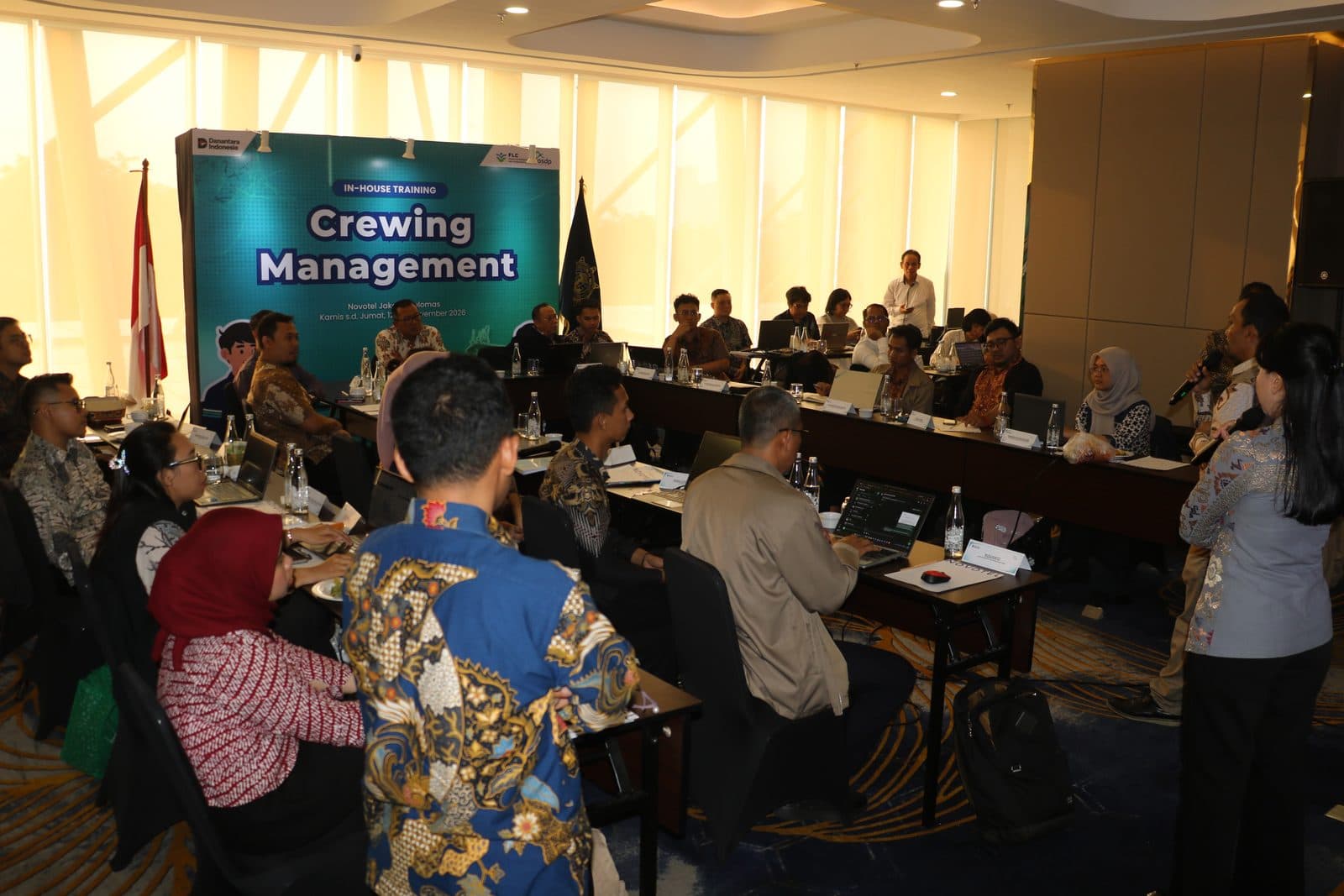
November 12, 2026 — CIMA conducted an in-house Crewing Management training for PT ASDP Indonesia Ferry on November 12–13, 2026, at Novotel Jakarta Pulomas. Over the course of two days, participants delved into crew management, from regulatory aspects to day-to-day operational practices.
The preparations for this training were jointly discussed in a meeting on November 4, 2026. This training is a continuation of the Crew Management Training previously organized by CIMA in collaboration with PIP Makassar in October 2026.
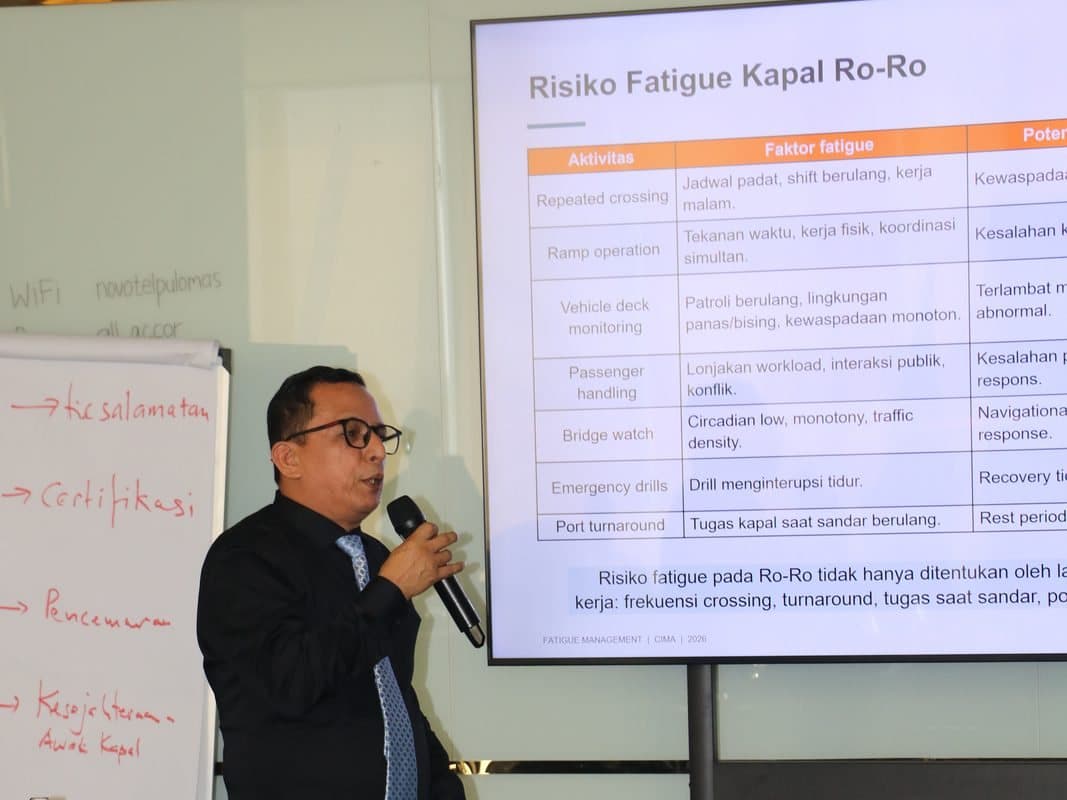
Safety and fatigue management of Ro-Ro crew
The first day's material places crew management within the framework of safety, certification, pollution prevention, and crew welfare. One session addressed the risk of fatigue on Ro-Ro vessels by identifying the most vulnerable activities: repeated crossings, ramp operations, vehicle deck supervision, passenger service, bridge watchkeeping, emergency drills, and repetitive tasks while the ship is at berth. The risk of fatigue on Ro-Ro vessels is also influenced by their work patterns — the frequency of crossings, turnaround times at ports, and duties while berthed.
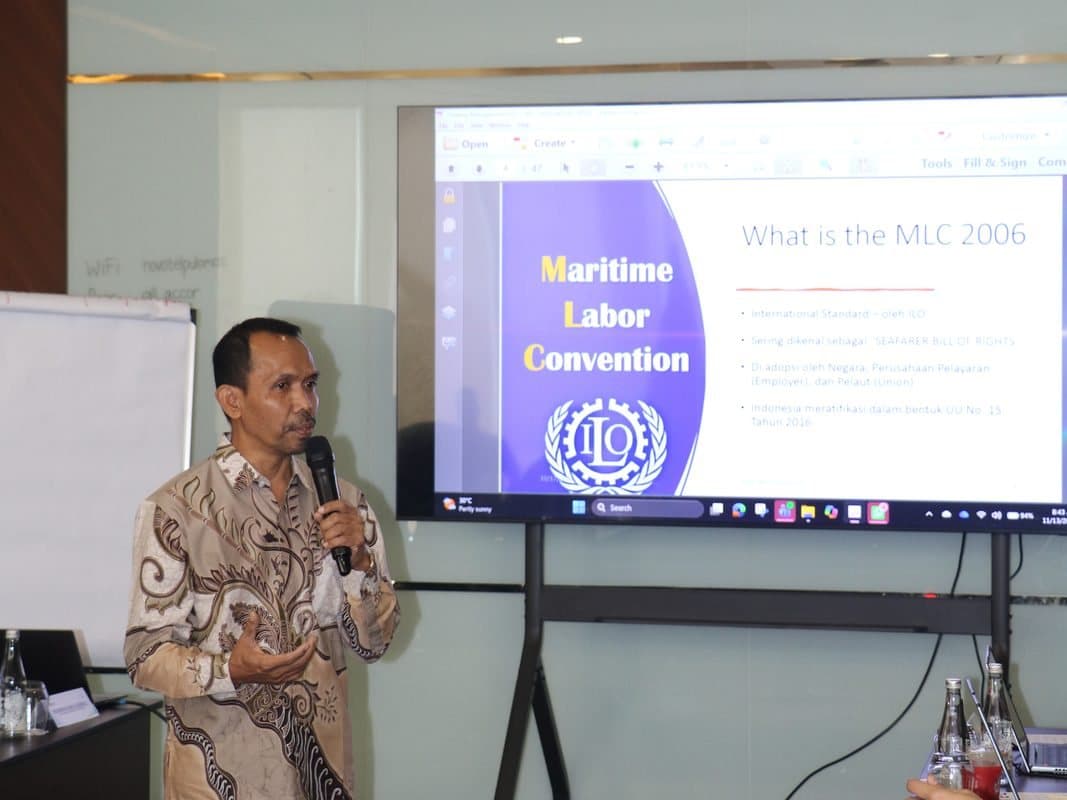
Regulation and planning
On the second day, participants discussed the Maritime Labour Convention (MLC) 2006, an ILO international standard often referred to as the “bill of rights” for seafarers, which Indonesia has ratified through Law No. 15 of 2016.
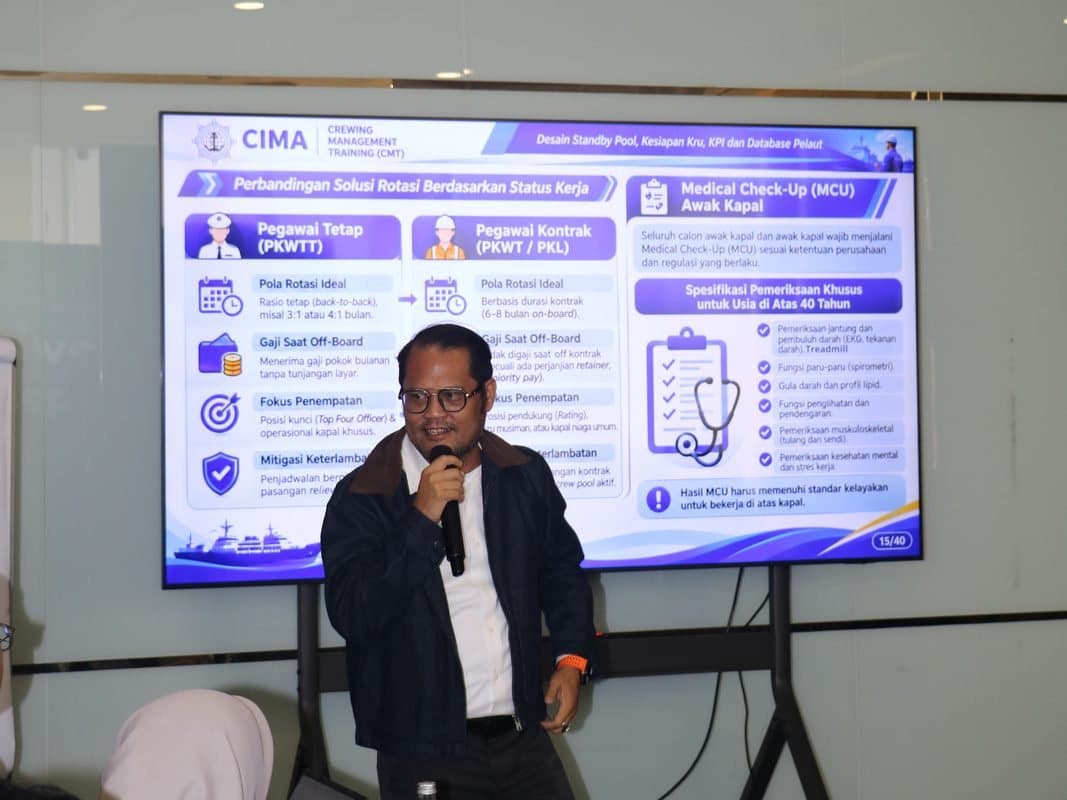
Another session covered the design of the standby pool, crew readiness, KPIs, and the seafarers' database. Participants were encouraged to understand the concept of a standby pool in crewing operations, identify factors that affect crew readiness, develop measurable crewing KPIs, and utilize seafarer databases and operational data for crew planning and replacement. This material also compares the rotation patterns for crew members with permanent employee status (PKWTT) and contract employee status (PKWT/PKL), as well as the provisions for medical check-ups for crew members.
Other topics include examples of crew rotation plans, as well as the comprehensive process of recruiting and assigning crew members, from start to finish.
Case study: towards Ready on Board
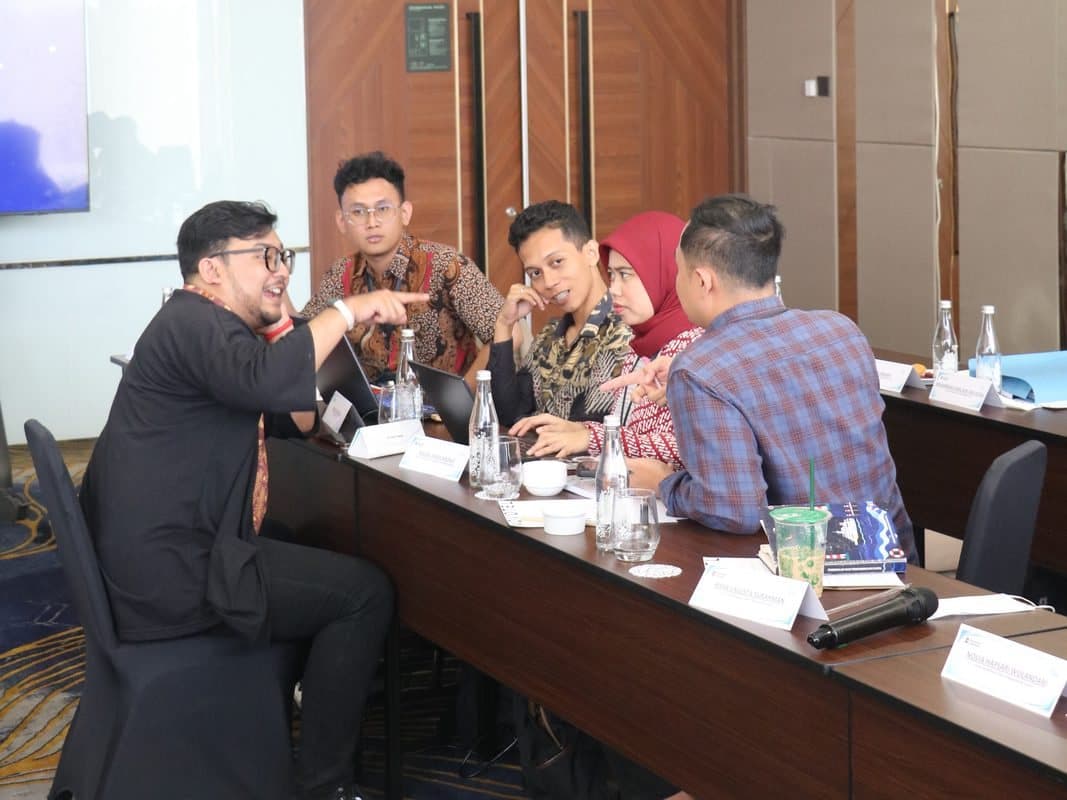
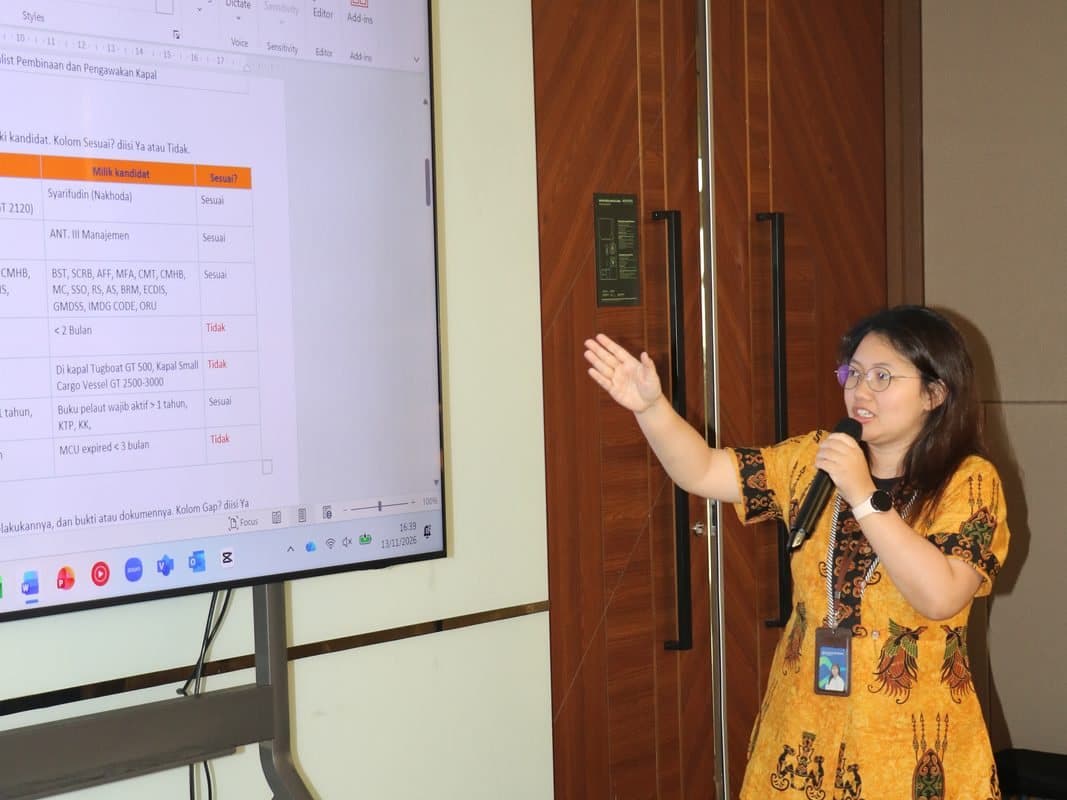
In a group case study, participants examined the requirements that must be met before crew members are declared Ready on Board:
- positions according to the needs of the ship;
- certificates according to position and still valid;
- complete health and identity documents;
- The PKL is signed and acknowledged by the designated official;
- placement documents and sign-on schedule are available;
- sign-on is coordinated with the ship;
- the crew are already on board and certified;
- Familiarization is complete and the crew understands their duties.
Each group then simulated the process step by step — what was done and by whom — and then presented the results to the class.
Closing
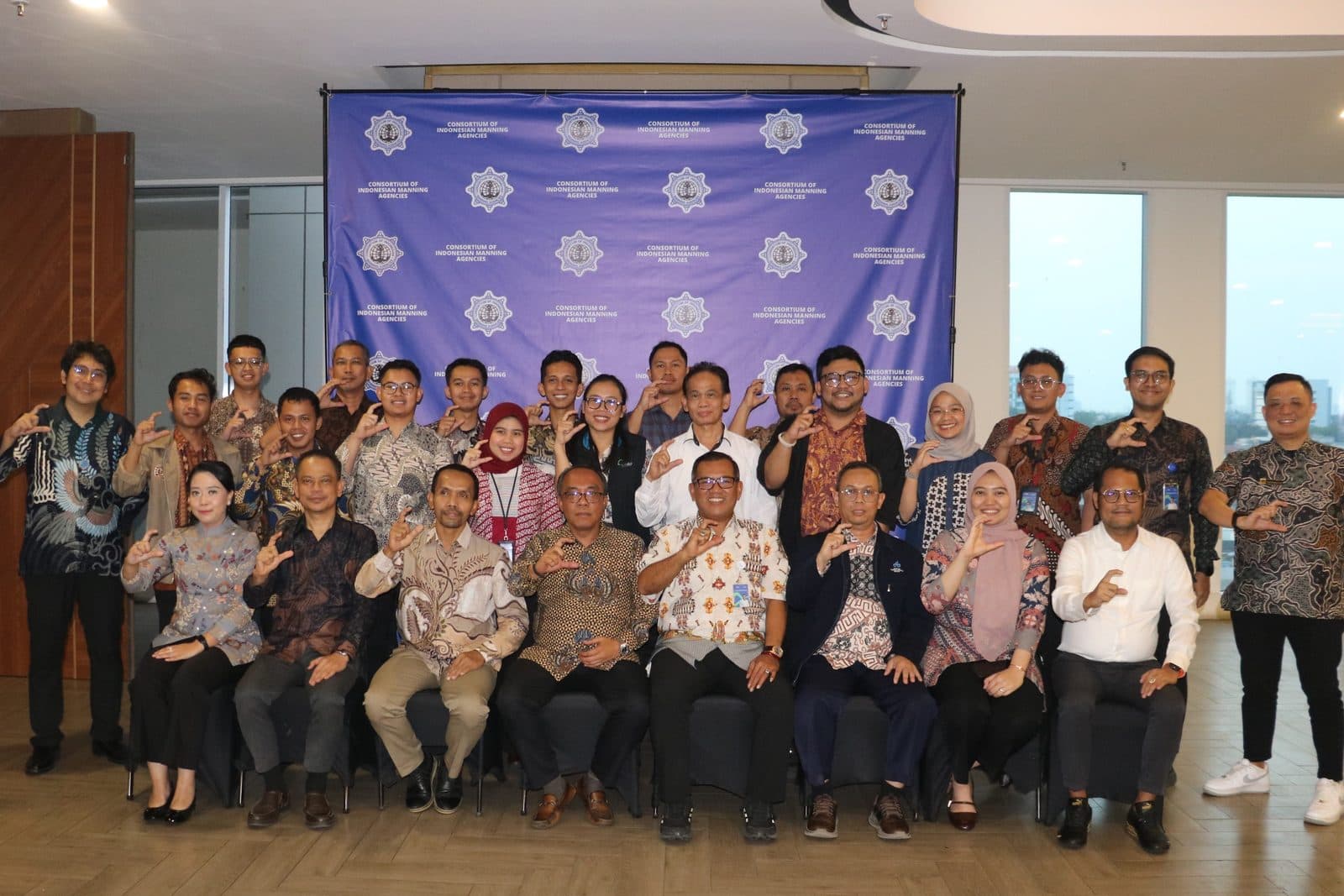
The training concluded with the presentation of certificates to the participants, the presentation of souvenirs, and a group photo.